

The Eighth Continent
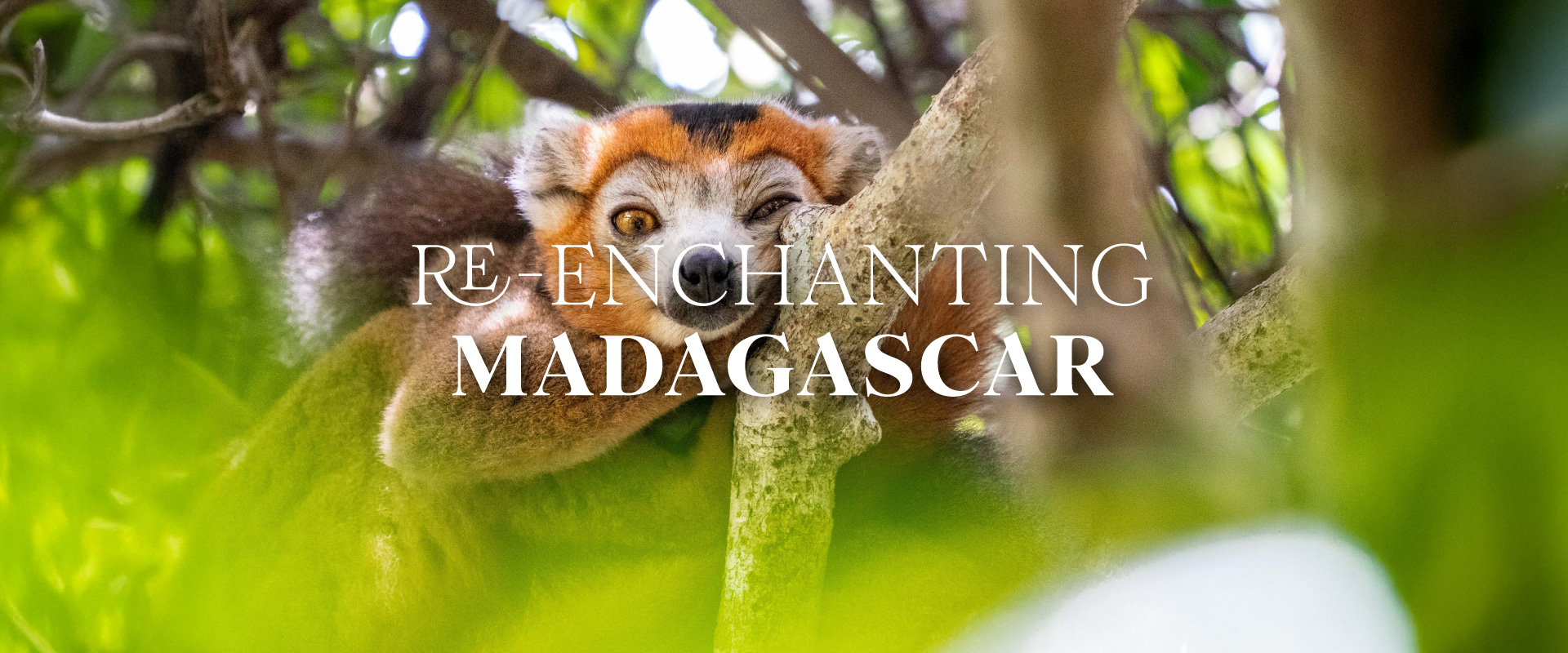
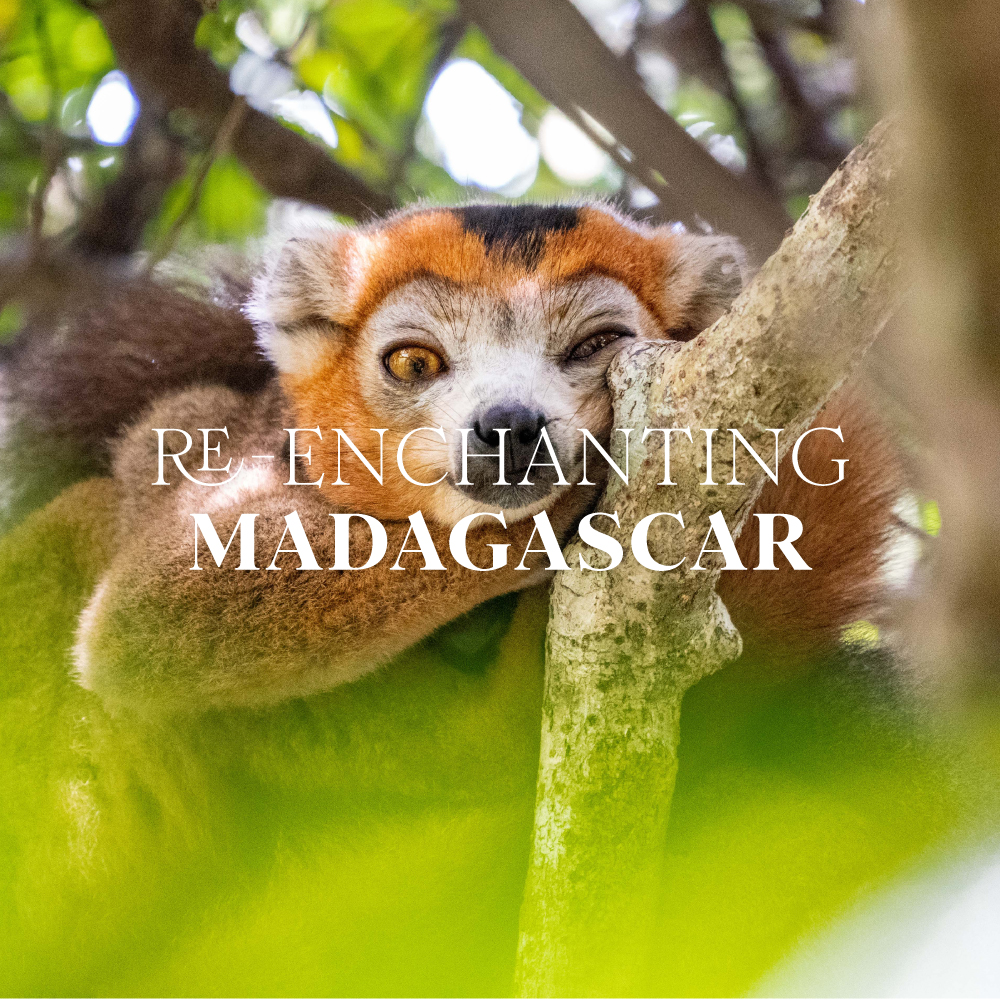
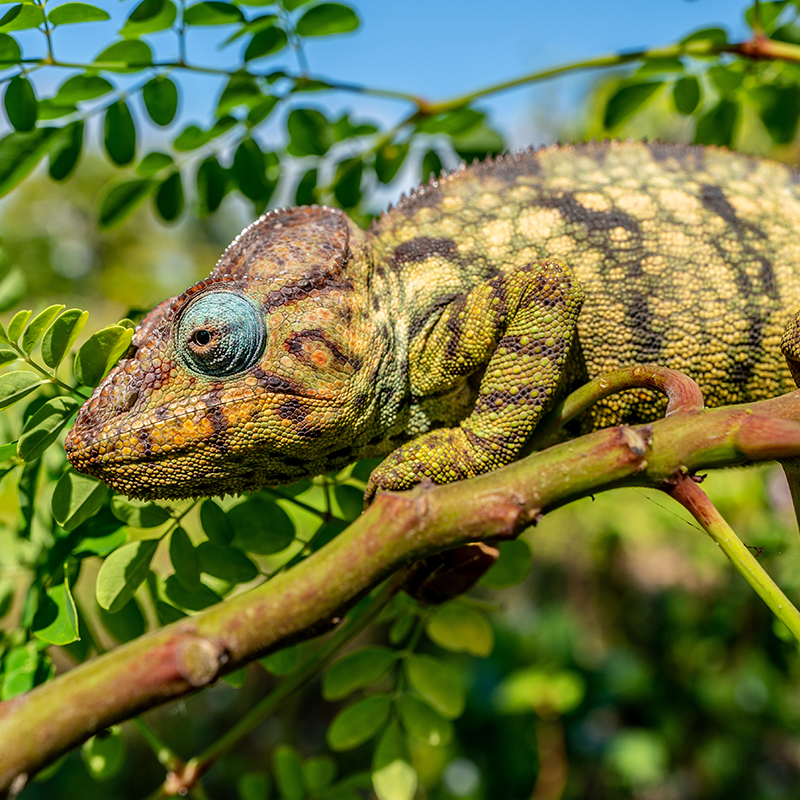
A world apart from mainland Africa, Madagascar is a biodiversity hotspot where over 90% of its wildlife exists nowhere else on Earth. Rainforests meet coral-rich seas, baobab forests rise from red earth, and limestone tsingy tower over hidden canyons. Lemurs leap through ancient forests, chameleons shift colour like living jewels, and private islands offer pristine beaches and world-class marine exploration.
This is a destination for travellers seeking rare wildlife, dramatic landscapes, authentic culture and conservation-led lodges — a journey into one of the most extraordinary ecosystems on the planet.

Activities on offer
Primary rainforest treks in search of Red Ruffed and White-fronted Brown Lemurs
Night walks to see mouse lemurs, leaf-tailed geckos and other nocturnal species
Birding expeditions for Helmet Vanga, Ground-Rollers and endemic forest birds
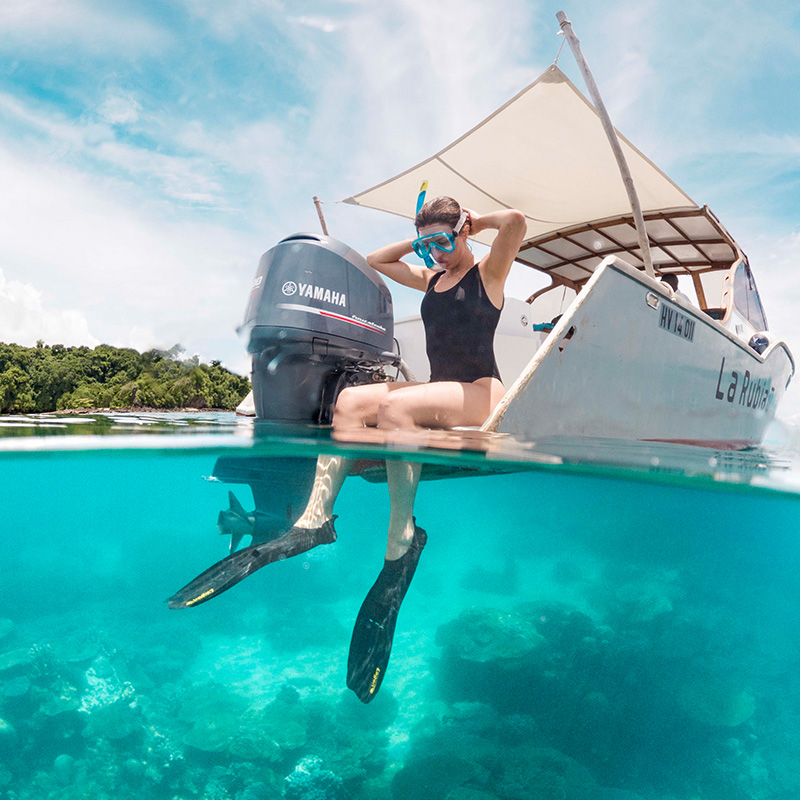
Marine snorkelling on coral reefs rich with turtles and tropical fish
Kayaking through mangrove channels and along remote coastlines
Kayaking through mangrove channels and along remote coastlines
Primary rainforest treks in search of Red Ruffed and White-fronted Brown Lemurs
Tsingy limestone hikes exploring canyons, caves and dramatic rock formations
Baobab forest walks at sunrise and sunset
Cultural experiences in Antandroy and Betsimisaraka communities
Traditional pirogue excursions along calm bays and river mouths

Whale watching (seasonal, June–September) along the Masoala coastline
Private-island activities including stand-up paddling, beach picnics and helicopter trips
Diving and advanced snorkelling on some of Madagascar’s healthiest reefs

Forest photography walks led by specialist naturalists
Sacred forest visits and storytelling rituals with local communities
Sunset cruises and secluded beach explorations on remote islands
Your Journey Through Madagascar’s Most Extraordinary Regions
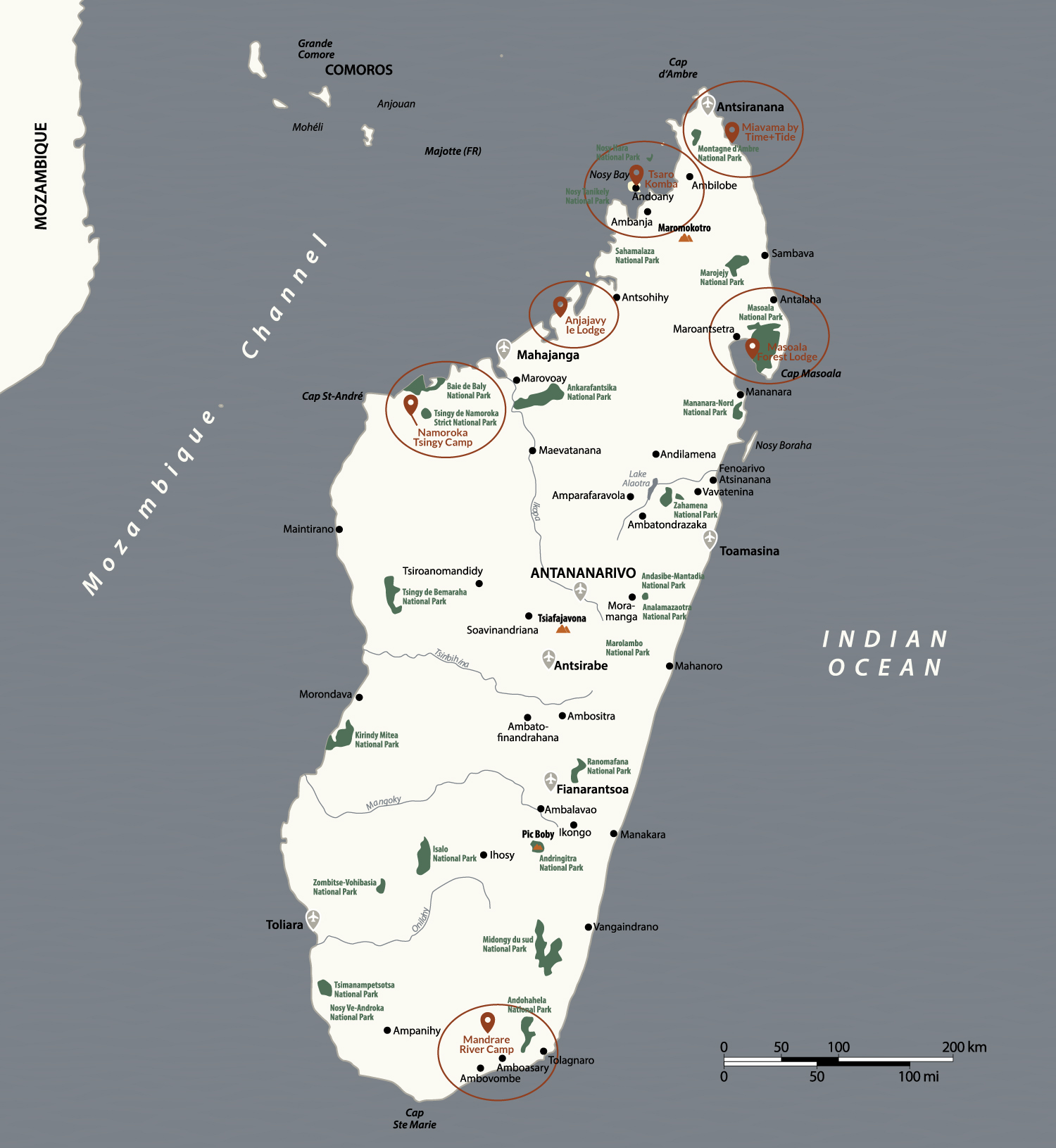
From the lush rainforests of Masoala to the dramatic tsingy of Namoroka, the spiny forests of the south and the pristine islands of the northwest, Madagascar is defined by extraordinary ecological diversity. This map highlights the regions featured in our itineraries — each chosen for its distinct landscapes, rare wildlife and conservation importance.
Madagascar FAQ

When is the best time to visit Madagascar?
May–October (dry season) is ideal for most regions. Rainforest and coastal regions are accessible year-round, but November–March is wetter.
How are internal flights handled?
All charters, helicopters and scheduled domestic flights are arranged seamlessly through our partners. Some lodges operate on fixed flight days.
How easy is it to get around Madagascar?
Not at all. Madagascar is a large island with limited infrastructure. We strongly recommend private or scheduled air transfers, combined with lodge-based boat and road transfers. Self-driving is not advised, and domestic flights can be unpredictable, which may result in losing full days of your itinerary.
Can I access Antananarivo from elsewhere in the world?
Yes. Antananarivo (TNR) is accessible via several international gateways. Airlines include Kenya Airways (via Nairobi), Turkish Airlines (via Istanbul), Air France (via Paris), Ethiopian Airlines (via Addis Ababa), Emirates (via Dubai), and Air Mauritius (via Mauritius). Routes and frequencies vary seasonally.
Is this itinerary family-friendly?
Yes. Miavana, Tsara Komba and Anjajavy are excellent for families. Masoala also offers an exceptional children’s nature programme.
Do I need a visa?
A visa is required for most nationalities and is typically available on arrival in Antananarivo. We will advise on the latest requirements.
Health considerations?
A yellow fever certificate is required if travelling from or transiting through an endemic country. Malaria prophylaxis is recommended. We provide updated guidance before travel.
Is this a responsible, conservation-focused itinerary?
Absolutely. Each lodge contributes directly to forest protection, marine conservation, community upliftment or species restoration — ensuring your visit has positive impact.